
Is It Safe to Run Your AC During a Thunderstorm
Summer storms roll through Clarksville fast, and many homeowners wonder if they should keep the air conditioner running when thunder starts rumbling. The short answer is that running your AC during a thunderstorm is usually fine, but a direct lightning strike or a power surge can cause real damage to your system. Your air conditioner relies on sensitive electrical components, including the compressor, control board, and capacitor, all of which can be harmed by sudden voltage spikes. Lightning does not have to hit your home directly to cause problems; a strike on a nearby power line or transformer can send a surge straight into your electrical panel. That surge travels to every connected appliance, and your AC is one of the most expensive units in the house. Knowing when to keep cooling and when to shut things down protects both your comfort and your wallet. This guide walks through the real risks, the warning signs, and the steps that keep your system safe during severe weather.
The Real Risks of Running Your AC During a Thunderstorm
Thunderstorms bring three main threats to your cooling system: power surges, lightning strikes, and rapid voltage fluctuations. A power surge is the most common danger because it happens far more often than a direct hit to your home. When lightning strikes a utility line or the grid experiences a sudden shift, thousands of extra volts can race through your wiring in a fraction of a second. That spike overwhelms the delicate circuit boards and motors inside your air conditioner, frying components that were perfectly healthy moments earlier. Older homes in the Clarksville area sometimes lack proper surge protection at the panel, which leaves the entire HVAC system exposed. Understanding these risks helps you make smart decisions before, during, and after a storm.
Power Surges Are the Biggest Thunderstorm Risk to Your AC
Power surges cause the majority of storm-related air conditioner failures, and they often go unnoticed until the unit stops working. A surge is a brief but intense jump in electrical voltage, sometimes lasting only microseconds, yet that flash of extra energy is enough to destroy a control board. Your AC contains a circuit board that acts like the brain of the system, telling the compressor and fan when to run. When a surge hits, it can melt the tiny components soldered to that board, leaving you with a unit that will not turn on at all. The capacitor, which gives the compressor the jolt it needs to start, is another frequent casualty of voltage spikes. Replacing these parts costs money, and a severe surge can damage several components at once, pushing repair bills higher. Surge protection at the electrical panel is the single best defense, and it stops the spike before it ever reaches your equipment.
Many people assume their home is safe because they have power strips with surge protection on their televisions and computers. Those small strips do nothing for your central air conditioner, which connects directly to the main panel and pulls far more power than any plug-in device. A whole-home surge protector installed at the panel guards every circuit, including the dedicated line that feeds your HVAC system. This kind of protection works silently in the background, absorbing or diverting excess voltage away from your appliances. The cost of installing one is a fraction of what you would pay to replace a compressor or a full condenser unit. For homeowners in storm-prone parts of Tennessee, this upgrade pays for itself the first time a serious surge rolls through. A qualified technician can assess your panel and recommend the right level of protection for your home.
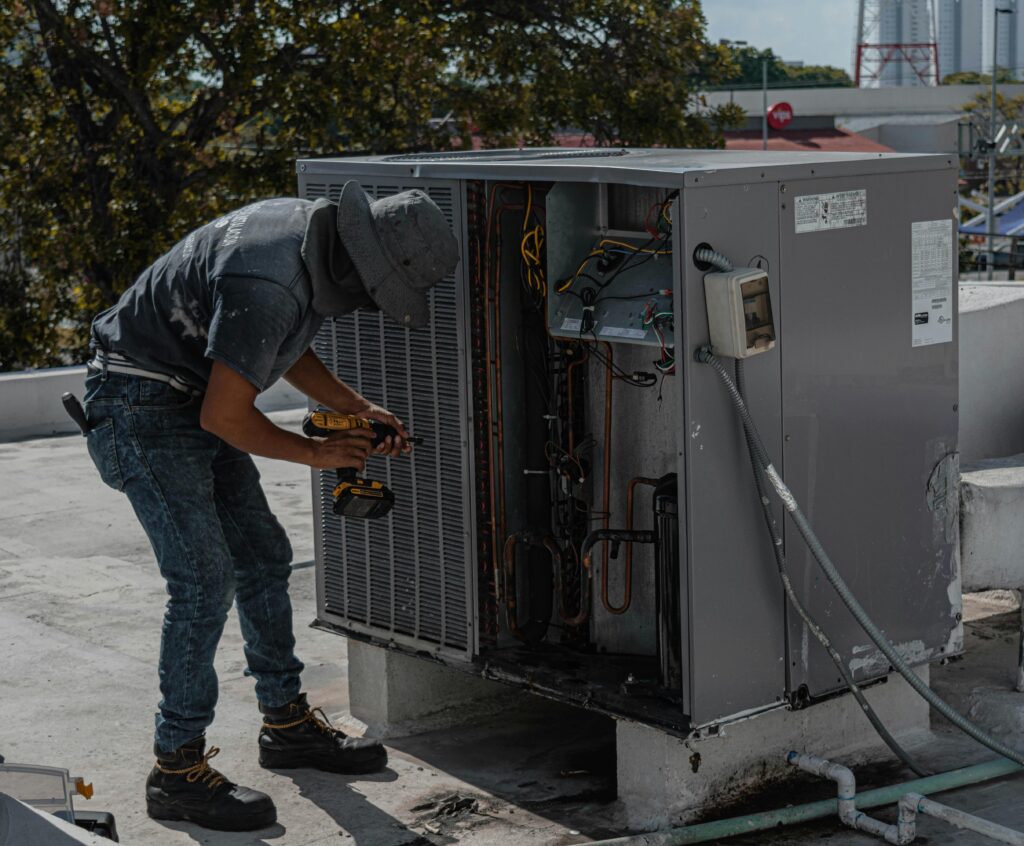
Surges do not always destroy a system instantly, which makes them sneaky. Sometimes a smaller spike causes hidden damage that weakens a component over weeks or months. Your AC might keep running, but the strained part slowly degrades until it fails on a hot afternoon when you need cooling most. This delayed failure is why some homeowners never connect a breakdown to a storm that happened earlier in the season. Regular maintenance helps catch this kind of wear before it turns into a complete shutdown. A technician can test your capacitor, inspect the control board, and check voltage readings to spot trouble early. Need air conditioning repair after a storm? Click here for our air conditioning repair service.
Direct Lightning Strikes Can Cause Severe AC Damage
A direct lightning strike to your home or your outdoor condenser unit is rare, but the damage is catastrophic when it happens. Lightning carries an enormous amount of energy, and when that energy finds your air conditioner, it can fuse wires, destroy the compressor, and even start a fire in extreme cases. The outdoor unit sits exposed in your yard, which makes it a possible target during an intense storm with a lot of cloud-to-ground activity. While the odds of a direct hit are low on any given day, frequent summer thunderstorms across Middle Tennessee raise the cumulative risk over a season. A strike powerful enough to damage your condenser will usually trip breakers and may affect other systems in the home at the same time. This is why shutting the unit off during a severe storm with heavy lightning is a reasonable precaution.
The compressor is the heart of your air conditioning system, and it is also the most expensive single part to replace. When lightning energy reaches the compressor, the intense current can short the motor windings and lock the unit permanently. A failed compressor often means deciding between a costly repair and a full system replacement, especially if the unit is already several years old. Lightning can also damage the refrigerant lines and the electrical connections that tie the outdoor and indoor units together. Because these components work as a system, damage to one part frequently cascades into problems with others. Catching a strike-related failure early limits the spread of damage and gives you more repair options.
If you know a severe storm with heavy lightning is heading toward Clarksville, the safest move is to turn your thermostat off and let the storm pass. Cooling your home for an extra thirty minutes is not worth risking a four-figure repair to your compressor or condenser. Once the storm clears and the lightning stops, you can switch the system back on and let it resume normal operation. Pre-cooling your home before the storm arrives keeps you comfortable while the unit sits idle during the worst of the weather. This simple habit costs nothing and dramatically reduces your exposure to lightning damage. Pairing this practice with whole-home surge protection gives your AC the strongest possible defense against storm season.
Voltage Fluctuations During Storms Strain Your AC Components
Beyond dramatic surges and strikes, thunderstorms cause smaller voltage fluctuations that quietly wear down your air conditioner. The power grid often becomes unstable during severe weather as utilities reroute electricity and equipment trips offline. These swings send your AC slightly too much or too little voltage, and both extremes stress the motors and electronics inside the unit. Low voltage, sometimes called a brownout, forces the compressor and fan motors to work harder to draw the power they need. That extra strain generates heat and shortens the lifespan of components that are designed to run on steady, consistent power. Over time, repeated exposure to these fluctuations adds up to premature failures and higher repair costs.
Brownouts are especially hard on the compressor, which needs a strong, clean burst of electricity to start each cycle. When the voltage sags, the compressor may struggle to start or may stall partway through, drawing excessive current that overheats the windings. This is one of the leading causes of compressor failure in areas with an unstable grid or frequent storms. The capacitor takes a beating during these events too, since it has to compensate for the irregular power supply. A weakened capacitor leads to hard starts, where you hear the unit straining to kick on. Over months, these stresses can leave you facing a repair that proper protection would have prevented entirely.
The best defense against voltage fluctuations combines surge protection with regular professional maintenance. A technician can install hard-start kits and protective devices that buffer your compressor against unstable power. During a maintenance visit, the technician also measures voltage and amperage to confirm your system is running within safe ranges. Keeping electrical connections clean and tight reduces resistance, which helps the unit handle minor swings without strain. Scheduling a tune-up before peak storm season puts your AC in the best position to ride out a rough Tennessee summer. Want to keep your system running strong all season? Click here for our air conditioning maintenance service.
How to Protect Your AC During Thunderstorm Season
Protecting your air conditioner from thunderstorm damage comes down to a mix of smart habits and the right equipment. You cannot control the weather, but you can control how exposed your system is when a storm rolls in. The two most effective tools are a whole-home surge protector and a routine of shutting the unit down during severe lightning. Combining these with seasonal maintenance creates layers of defense that work together. Homeowners who take these steps rarely face the expensive surprise of a storm-damaged compressor or control board. The effort is small compared to the cost and inconvenience of a midsummer breakdown.
Whole-Home Surge Protection Shields Your AC From Storm Damage
A whole-home surge protector is the foundation of thunderstorm protection for your air conditioner and every other appliance in the house. This device installs directly at your electrical panel, where it intercepts voltage spikes before they spread to your circuits. When a surge enters from the utility line, the protector either absorbs the excess energy or diverts it safely to ground. This happens in a fraction of a second, faster than the spike could reach your AC. Because it guards the entire panel, one protector covers your air conditioner, furnace, refrigerator, and electronics all at once. For storm-prone Clarksville homes, this is the most cost-effective insurance you can buy against electrical damage.
Installing a whole-home surge protector is a job for a licensed professional, since it ties into the main electrical panel. A technician evaluates your panel capacity, confirms proper grounding, and selects a protector rated for your home’s electrical load. Proper grounding is essential, because a surge protector can only divert energy if it has a clean path to the earth. Once installed, the device requires almost no attention beyond an occasional check of its status indicator. Many quality protectors include a light that shows whether the unit is still functioning after absorbing surges. If the indicator changes, the protector has done its job and may need replacement to keep guarding your home.
While surge protection is the headline benefit, the device also extends the life of your AC in subtle ways. By smoothing out the small spikes that occur during everyday grid activity, it reduces cumulative stress on your control board and motors. That means fewer hidden failures and a system that reaches its full expected lifespan instead of dying early. The protector also covers other expensive equipment, so the value reaches well beyond the air conditioner alone. When you factor in the cost of replacing a single damaged appliance, the protector often pays for itself in one storm. Talk with a qualified electrician or HVAC professional about adding this protection before the next storm season hits.

Smart Habits Keep Your AC Safe Every Time a Storm Approaches
Equipment is only part of the equation, and good habits fill the gaps that hardware cannot cover. When you see a severe thunderstorm warning for the Clarksville area, the safest first move is to pre-cool your home. Lower the thermostat a few degrees an hour before the storm arrives so the house stays comfortable while the unit rests. Once heavy lightning begins, switch the thermostat to off so the compressor and fan are not running during the riskiest part of the storm. This keeps your most expensive components idle and disconnected from the strain of active operation. After the lightning passes, wait a few minutes for the grid to stabilize before turning the system back on.
Pay attention to how your AC behaves after every storm, because storm damage does not always announce itself immediately. If the unit struggles to start, makes new noises, or cools less effectively than before, a surge may have weakened a component. Tripped breakers right after a storm are a clear sign that your system took an electrical hit and needs inspection. Do not repeatedly reset a breaker that keeps tripping, since that can worsen damage or create a fire hazard. Instead, leave the system off and call a professional to diagnose the problem safely. Acting quickly on these warning signs prevents a small issue from growing into a full system failure.
Building these habits into your storm routine takes very little time and saves a great deal of money over the years. Keep an eye on the local forecast during summer afternoons, since pop-up thunderstorms are common across Middle Tennessee. Teach everyone in the household the simple rule of turning the AC off when serious lightning starts. Pair these habits with a maintained system and proper surge protection for the strongest defense available. A little awareness goes a long way toward keeping your home cool all summer without storm-related breakdowns. These small actions, repeated over a season, protect one of the largest investments in your home.
Why You Need a Professional to Storm-Proof Your AC System
Storm-proofing your air conditioner is not a do-it-yourself project, because it involves your electrical panel, refrigerant system, and high-voltage components. A trained HVAC professional brings the tools, knowledge, and experience to assess your specific risks and install the right protection. They can spot weaknesses you would never notice, from a marginal ground connection to a capacitor already showing signs of strain. Working with a professional also means the job is done safely and to code, protecting both your home and your warranty. The peace of mind that comes from knowing your system is properly guarded is worth the call. Storm season in Tennessee is relentless, and being ready makes all the difference.
Professional Inspection Catches AC Storm Damage Early
A professional inspection after a major storm finds damage that an untrained eye would miss entirely. Technicians use meters to measure voltage, test capacitors, and check the health of the control board for surge-related harm. They inspect the compressor for signs of electrical stress and confirm that all connections remain tight and clean. This thorough check catches hidden problems before they grow into expensive failures during the hottest weeks of summer. Early detection often means a simple, affordable repair instead of a major replacement down the road. For homeowners who weathered a rough storm, an inspection brings real peace of mind.
Beyond storm damage, a professional inspection doubles as a tune-up that keeps your system running at peak efficiency. The technician cleans coils, checks refrigerant levels, and confirms airflow is correct throughout the home. A well-maintained AC handles voltage fluctuations better and recovers more smoothly from minor electrical events. This combination of inspection and maintenance is the smartest way to protect your investment through storm season. Catching wear early also keeps your energy bills lower, since a healthy system uses less power. Scheduling this service after storm season ends sets you up for a trouble-free year ahead.
Regular professional attention also builds a service history that helps with future repairs and warranty claims. When a technician knows your system, they can track changes over time and predict when parts may need replacing. This relationship turns reactive emergency calls into proactive planning that saves money and stress. A documented maintenance record can also be important if a storm-related claim ever goes through your homeowner’s insurance. Professionals provide the paperwork and expertise that make those situations far easier to navigate. Investing in regular service is investing in the long-term reliability of your cooling system.

Proper Surge Protection Installation Requires a Qualified Technician
Installing surge protection correctly demands knowledge of electrical systems that goes beyond basic homeowner skills. A qualified technician confirms your panel can support the protector and verifies that grounding meets code requirements. Improper installation can leave the protector useless or, worse, create a new safety hazard in your home. Professionals select a device with the right rating for your electrical load and storm exposure. They also test the installation to confirm it functions as intended before they leave. This attention to detail is what separates real protection from a false sense of security.
A technician can also pair surge protection with other safeguards like hard-start kits and compressor savers. These devices work together to shield your most expensive components from the full range of electrical threats. The professional understands how each piece fits into your specific system and configures everything for maximum protection. This integrated approach addresses surges, voltage swings, and hard-starting all at once. The result is a system far more resilient to whatever a Tennessee thunderstorm throws at it. No single device does the whole job, which is why professional planning matters so much.
When you work with a professional, you also gain access to advice tailored to your home and your storm risk. They can recommend the right combination of protection based on your panel, your unit’s age, and your local exposure. This guidance helps you spend money where it does the most good instead of guessing on your own. A good technician explains the options clearly and lets you make an informed decision. That kind of honest, knowledgeable service is the backbone of a trustworthy HVAC company. Storm protection done right starts with the right professional advice.
Why Choose Barneys Heating and Air for Your AC Storm Protection
Barneys Heating and Air brings 50 years of combined experience to every home we serve across Clarksville and the surrounding communities. Our team understands the unique demands of Tennessee storm season and knows exactly how to protect your cooling system from electrical damage. We install surge protection, perform thorough inspections, and back all new systems with a two-year warranty for lasting peace of mind. As residential HVAC experts, we treat your home like our own and never cut corners on safety or quality. Free estimates make it easy to start the conversation about protecting your AC. When you call us, you reach a team that genuinely cares about keeping your family cool and safe.
We know storms do not wait for business hours, which is why we offer 24/7 emergency HVAC service for the Clarksville area. If a thunderstorm knocks out your air conditioner, our technicians are ready to diagnose and repair the damage fast. We carry the experience to spot storm-related problems quickly and the integrity to recommend only the work you actually need. Senior and military discounts reflect our commitment to giving back to the community that supports us. Our reputation rests on honest service, fair pricing, and workmanship that stands the test of time. That dedication to ethos is what sets us apart from other contractors in the area.
From AC installation and ductwork to mini splits and generators, we handle the full range of home comfort needs. When you choose Barneys Heating and Air, you choose a local team that stands behind its work and shows up when you need help most. We are proud to serve Clarksville homeowners with reliable, expert care through every season. Reach us anytime at (931) 220-1014 or office@barneysheatingandair.net to schedule your service or ask a question. Let us help you storm-proof your air conditioner before the next big storm rolls through. Your comfort and safety are always our top priority.