
Should You Close Vents in Unused Rooms to Save Money
Closing the vents in unused rooms feels like an easy way to cut your cooling costs, and it is one of the most common questions homeowners in Clarksville ask once the hot Tennessee summer settles in. The logic seems simple, since shutting a vent should push more cool air toward the rooms you actually live in. Your air conditioning system does not work that way, though, and the practice can create problems that cost you far more over time. Modern HVAC equipment is sized and engineered to move a specific volume of air through your home on every cycle. When you block part of that airflow, the pressure inside your ductwork rises, and your system has to work against resistance it was never designed to handle. That added strain often raises your energy bills rather than lowering them, which is the opposite of what most people expect. This guide walks through exactly what happens when you close vents in unused rooms, and it lays out smarter ways to keep your cooling costs down. By the time you finish reading, you will know the right move for those empty rooms in your house.
How Closing Vents in Unused Rooms Affects Your HVAC System
Your air conditioner, furnace, and blower all operate as one balanced system, and that balance depends on a steady, predictable flow of air. Most residential systems are designed around a target airflow of roughly 400 cubic feet per minute for every ton of cooling capacity. When that air can move freely, your equipment runs efficiently, cools evenly, and keeps its internal parts at safe operating temperatures. Closing vents throws that balance off in ways most homeowners never see until something breaks. The air your system pushes does not simply disappear when you close a register; it backs up into the ductwork and builds pressure throughout the entire network. That pressure forces leaks open, stresses components, and changes how the whole system behaves. Understanding these effects helps you make a decision based on facts instead of a guess. The three sections below break down what really happens behind your walls.
What Happens to Air Pressure When You Close Vents in Unused Rooms
When you close vents in unused rooms, the first thing that changes is the static pressure inside your duct system. Static pressure is the resistance your blower has to overcome to push air through the ducts, and it works a lot like blood pressure in your body. Your system was balanced at the factory and during installation to operate within a narrow, safe pressure range. Closing even a few vents removes places for the air to exit, so the same volume of air now has fewer paths to travel. That trapped air raises the pressure across every duct, joint, and seam in your home. Higher pressure does not make the air move faster to your other rooms in any meaningful way; instead, it pushes against the weakest points in the system. The result is wasted energy and uneven comfort throughout the house.
The ductwork in a typical home is not as airtight as people assume, and that matters a great deal once pressure climbs. Many homes lose twenty to thirty percent of their conditioned air through duct leaks even under normal conditions. Raise the static pressure by closing vents, and those small gaps and loose connections start leaking far more aggressively. Cool air that you paid to produce escapes into your attic, crawl space, or wall cavities where it does you no good at all. You end up cooling the parts of your home you cannot see while the lived in rooms still struggle to reach the temperature you set. This is one of the clearest reasons closing vents rarely saves the money people hope it will. If you suspect your ducts are leaking, our team can inspect and seal them, since proper ductwork service often saves far more than any vent ever could.
The pressure problem also grows worse the more vents you close, which is something many homeowners learn the hard way. Shutting one register in a small bathroom might cause little harm, but closing several vents across an entire wing of the house pushes the system well outside its design limits. Each closed vent adds resistance, and the blower responds by straining harder to maintain its airflow. You may even hear new whistling or rushing sounds at the vents that remain open, which is a direct sign of elevated pressure. Those noises are your system telling you it is fighting an uphill battle. Over weeks and months, that constant struggle accelerates wear on parts that are expensive to replace. The short version is that closing vents trades a tiny imagined saving for real long term cost.
How Closing Vents in Unused Rooms Strains Your Blower Motor
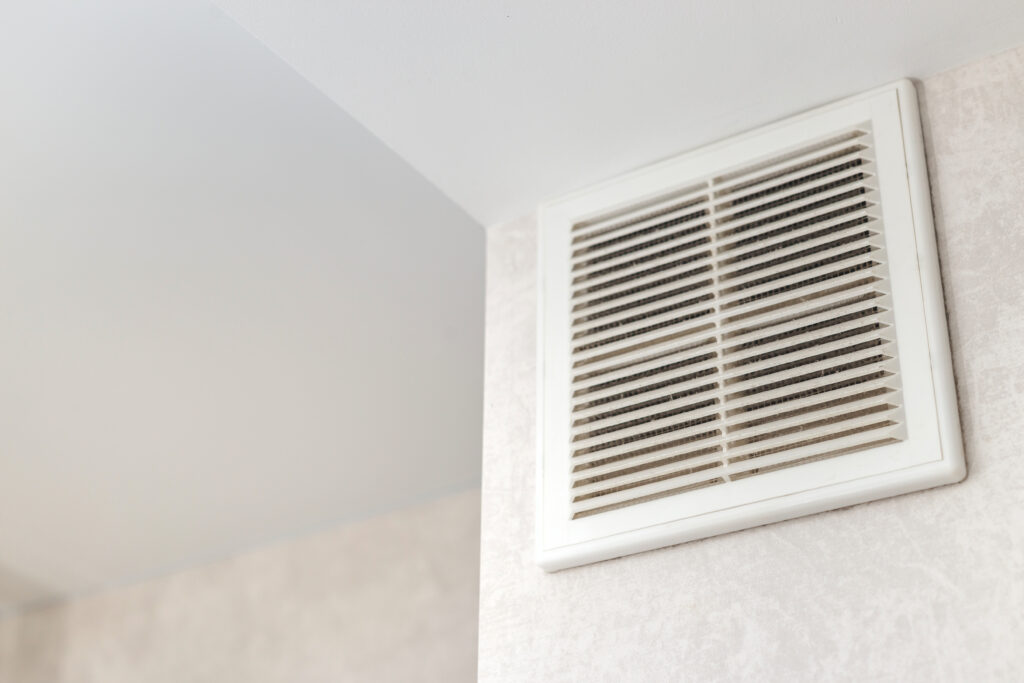
The blower motor is the heart of your air handling system, and closing vents in unused rooms forces it to work against conditions it was never meant to face. This motor spins a fan that moves all of your conditioned air through the ducts and into your rooms. When pressure rises because of closed vents, the motor has to push against that resistance with every single rotation. A standard permanent split capacitor motor will actually move less air in this situation while drawing close to the same amount of power. That means you pay for nearly the same electricity but get weaker performance from your equipment. The motor also runs hotter under these conditions, and heat is the enemy of every electrical component. Over time, that extra heat shortens the life of a part that can cost several hundred dollars to replace.
Variable speed blower motors, which are common in newer high efficiency systems, react to closed vents in a different but equally costly way. These motors are designed to ramp up automatically to maintain their target airflow when they sense added resistance. So when you close vents, the motor does not slow down to save energy; it speeds up and pulls more electricity to overcome the blockage. Homeowners who close vents hoping to cut their power bill often end up increasing their consumption instead. The very feature that makes these motors efficient under normal conditions turns against you when the duct system is choked off. Your monthly bill creeps upward while you believe you are saving. This is one of the more frustrating surprises we explain to customers in the Clarksville area.
Beyond the cost of electricity, the added strain on your blower motor shortens the time before you need a repair or a full replacement. A motor that constantly fights high static pressure runs through its bearings and windings faster than one operating in balance. Small problems like unusual humming, intermittent shutdowns, or a burning smell often trace back to a motor pushed too hard for too long. By the time these symptoms appear, the damage is usually well underway. Replacing a blower motor in the middle of a Tennessee summer is far more expensive than any savings closed vents might offer. Regular care keeps the motor healthy and your airflow correct, which is why we recommend scheduling air conditioning maintenance before small issues grow into breakdowns. Prevention almost always costs less than emergency repair.
Why Closing Vents in Unused Rooms Can Freeze Your AC Coil
One of the most damaging consequences of closing vents in unused rooms is a frozen evaporator coil, and it surprises nearly everyone who hears about it. The evaporator coil is the indoor part of your air conditioner where warm household air passes over cold refrigerant lines. That coil needs a steady stream of warm air flowing across it to keep its surface above freezing. When you close vents and reduce airflow, less warm air reaches the coil, and its temperature drops too low. Moisture in the air then begins to freeze onto the coil as a layer of ice. What started as an attempt to save a few dollars ends with a block of ice inside your system. That ice chokes off airflow even further and creates a worsening cycle.
A frozen coil does much more than stop your home from cooling, since it can lead to serious and expensive damage. As ice builds, the refrigerant cannot absorb heat properly, which can cause liquid refrigerant to return to the compressor. The compressor is the single most expensive component in your entire air conditioning system, and it is not built to handle liquid. This condition, known as slugging, can destroy a compressor and lead to a repair bill that rivals the cost of a new unit. Meanwhile, when the ice eventually melts, the excess water can overflow the drain pan and damage your floors, ceilings, or walls. A simple closed vent can snowball into water damage and a ruined compressor. These are the outcomes our technicians see every cooling season.
Recognizing a frozen coil early can save you from the worst of this damage, so it helps to know the warning signs. Weak or warm air coming from your vents during a hot day is often the first clue that airflow has dropped too low. You might also notice visible ice on the refrigerant lines near your outdoor unit or hear your system running constantly without cooling the house. Water pooling around your indoor unit is another red flag that a coil has frozen and thawed. If you see any of these signs, the safest move is to turn the system off and let it thaw before calling a professional. Running a frozen system only deepens the damage. For situations like this, our air conditioning repair team can diagnose the cause and restore proper airflow quickly.
Does Closing Vents in Unused Rooms Actually Save Money on Energy Bills
The whole reason people close vents is to lower their monthly energy costs, so it is worth looking at the math honestly. The belief is that fewer open vents means less space to cool, which should translate to a smaller bill. Your HVAC system does not measure rooms or vents, though; it measures the temperature your thermostat reads and runs until it hits that number. Closing vents does not reduce the workload in the way people imagine, because the system still produces the same amount of cooling on each cycle. In many cases the added strain, duct leaks, and longer run times actually push your bill higher. Real savings come from helping your system run efficiently, not from forcing it to fight itself. The sections below compare the imagined savings against the real costs and outcomes.
The Real Cost of Closing Vents in Unused Rooms
The true cost of closing vents in unused rooms shows up across several parts of your home and your budget. First, there is the wasted energy from duct leaks that open wider under increased pressure, sending your paid for cool air into unconditioned spaces. Second, there is the higher electricity draw from blower motors that work harder to overcome the resistance you created. Third, there are the longer run times, since a system fighting poor airflow takes more time to satisfy your thermostat. Each of these factors quietly adds to the bill you were trying to shrink. None of them are visible on the surface, which is why so many homeowners never connect their rising costs to those closed vents. The savings exist only in theory, not in your actual energy use.
The cost does not stop at your monthly utility bill, since closing vents also shortens the lifespan of major equipment. Compressors, blower motors, and heat exchangers all wear faster when forced to operate outside their design conditions. Replacing any one of these components can cost hundreds or even thousands of dollars depending on your system. When you factor in the price of premature repairs, the idea of saving money by closing vents falls apart completely. A homeowner might save a few dollars one month and then face a major repair the next season. That trade is never worth it in the long run. We have repaired many systems where closed vents quietly drove the underlying failure.
There is also the cost of comfort, which is harder to measure but very real for the people living in the home. Closing vents creates uneven temperatures, hot and cold spots, and rooms that never feel quite right. Humidity also tends to rise when airflow is disrupted, and the muggy Tennessee summer makes that problem worse. A home that feels sticky and uncomfortable defeats the entire purpose of running an air conditioner. You paid for an even, comfortable home, and closing vents takes that away. When you add up the wasted energy, the equipment wear, and the lost comfort, the verdict is clear. Closing vents in unused rooms costs you more than it ever saves.
Better Ways to Save Money Than Closing Vents in Unused Rooms
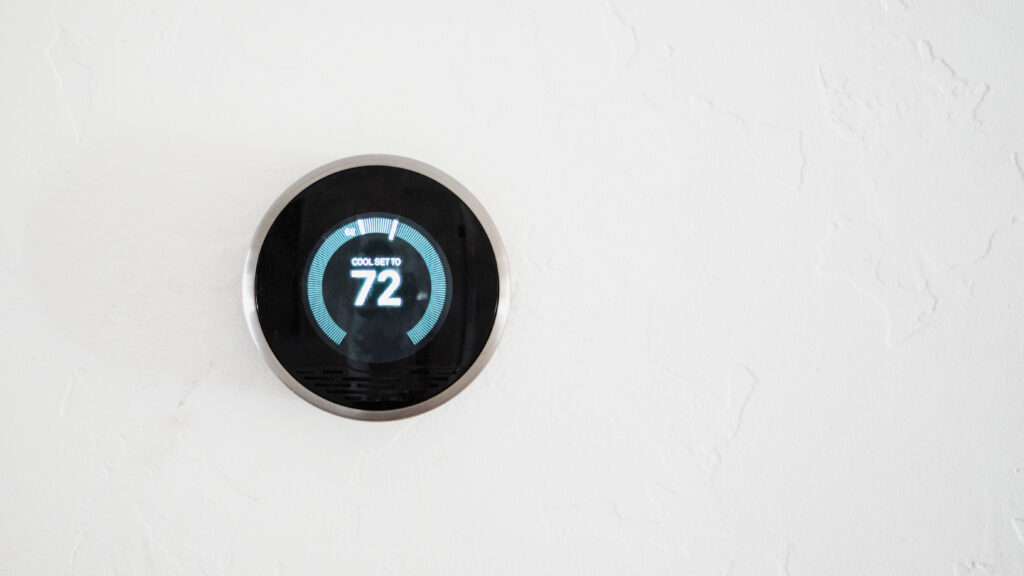
Instead of closing vents in unused rooms, there are proven methods that genuinely lower your cooling bills without harming your system. A programmable or smart thermostat is one of the most effective tools available, since it lets you raise the temperature automatically while you are away or asleep. Setting your thermostat a few degrees higher during the hottest part of the day reduces run time without choking off airflow. This approach saves real money because it reduces the actual cooling load rather than just rearranging it. Many homeowners cut a meaningful slice off their summer bills with this single change. A modern thermostat pays for itself faster than most people expect. Our team can help you select and install the right model for your home.
Sealing and insulating your home is another powerful way to lower costs that works with your system rather than against it. Air leaks around windows, doors, and attic hatches let your cool air escape and pull hot outdoor air inside. Adding weatherstripping, caulking gaps, and improving attic insulation keeps the cool air where you want it. Proper duct sealing also stops the hidden leaks that waste so much conditioned air in the average home. These improvements reduce the work your air conditioner has to do on every cycle, which directly lowers your energy use. Unlike closing vents, these methods improve efficiency without creating dangerous pressure. The savings continue year after year with no downside to your equipment.
Routine professional maintenance rounds out the smartest approach to lower bills, and it often delivers the biggest return. A clean coil, a fresh air filter, correct refrigerant levels, and properly balanced airflow all help your system run at peak efficiency. Dirty filters and neglected coils force your equipment to work harder for the same cooling, much like closing vents does. A trained technician can also spot small problems before they grow into costly repairs. Replacing your filter on schedule alone can noticeably improve airflow and efficiency. Want lower bills without risking your system? Click here to schedule air conditioning maintenance with our Clarksville team. A well maintained system saves money the right way.
When Closing Vents in Unused Rooms Might Be Acceptable
There are a few narrow situations where closing a vent in an unused room causes little harm, and honesty requires that we mention them. If your home has a zoned HVAC system with dampers built into the ductwork, then airflow is managed by design and closing a register may be fine. Zoned systems use a control board and motorized dampers to direct air safely, so they account for the changes you make. These systems are engineered to handle closed zones without raising static pressure to dangerous levels. If you have true zoning, your thermostat and dampers do the balancing for you. Most standard homes in our area do not have this setup, though. Knowing your system type matters before you touch any vents.
The number of vents you close also determines how much risk you take on with a standard system. Shutting a single register in a small, rarely used room such as a guest bathroom usually has a minimal effect on overall pressure. The danger grows quickly once you start closing multiple vents across larger rooms or entire sections of the house. A good rule is to keep the vast majority of your vents fully open at all times. If you must close one, choose the smallest room and watch for any new noises or weak airflow elsewhere. Even then, the savings are slight at best. The safest path is to leave your vents alone and pursue the real efficiency upgrades above.
When you are unsure about your system or your goals, a professional assessment removes all the guesswork. Our technicians can evaluate your ductwork, measure your static pressure, and tell you exactly how your home should be balanced. We can also recommend zoning, thermostat upgrades, or duct improvements that actually fit your needs. This kind of tailored advice protects both your comfort and your budget far better than closing vents on a hunch. Every home is different, and a quick inspection answers questions that internet guesses cannot. A short visit today can prevent an expensive surprise later. We are always glad to look at your setup and point you toward the right solution.
Call Barneys Heating and Air Before You Close Vents in Unused Rooms
Before you close a single vent in hopes of saving money, let our experienced team show you a better path. Barneys Heating and Air has served Clarksville and the surrounding communities with honest, accurate HVAC advice for years. We understand how Tennessee summers push cooling systems to their limits, and we know how to keep your equipment efficient without risky shortcuts. Closing vents may sound simple, but the real savings come from a well maintained, properly balanced system. Our technicians are ready to inspect your ducts, tune your air conditioner, and recommend upgrades that genuinely lower your bills. Reach out today and let us help you stay cool for less.
Schedule an Air Conditioning Maintenance Visit Instead of Closing Vents
The smartest first step toward lower cooling costs is a professional air conditioning maintenance visit, not a closed vent. During a maintenance appointment, our technicians clean your coils, check your refrigerant, replace or inspect your filter, and confirm your airflow is properly balanced. These steps directly improve efficiency and help your system cool your home using less energy. A tuned system runs shorter cycles, holds your set temperature better, and resists the breakdowns that strike during peak heat. We also catch small issues early, which keeps minor problems from turning into major repairs. This kind of care delivers real, lasting savings.
Regular maintenance also protects the investment you already made in your HVAC equipment. Air conditioners and heat pumps are expensive to replace, and proper upkeep can add years to their working life. A clean, balanced system puts far less strain on its compressor, motor, and electrical parts. That reduced wear means fewer emergency calls and a lower lifetime cost of ownership. Most homeowners find that a maintenance plan costs a fraction of what a single major repair would. The math strongly favors prevention over neglect.
Booking your maintenance with Barneys Heating and Air is quick and easy, and our team handles everything from start to finish. We arrive on time, work cleanly, and explain exactly what your system needs in plain language. You never have to guess about your equipment or worry about pushy upsells. Need to keep your system efficient this summer? Click here for our air conditioning maintenance service. One visit can lower your bills and give you peace of mind through the hottest months.
Improve Airflow With Professional Ductwork Service
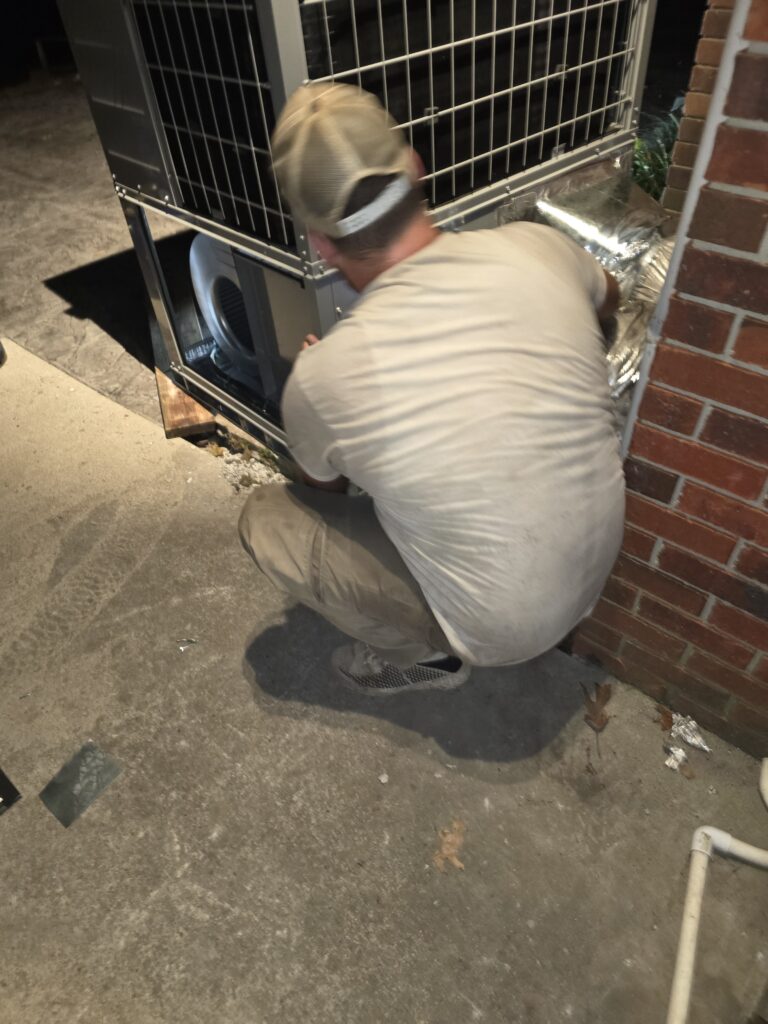
If your home has hot and cold spots, weak airflow, or rooms that never feel comfortable, the answer is better ductwork, not closed vents. Leaky, undersized, or poorly designed ducts waste enormous amounts of conditioned air every single day. Our team can inspect your duct system, find the leaks and restrictions, and correct the problems at their source. Proper duct sealing keeps your cool air inside your living spaces where it belongs. This approach fixes the comfort issues that lead people to close vents in the first place. The result is even temperatures and a system that breathes the way it should.
Professional ductwork service also lowers your energy bills in a way that closing vents never can. Sealing leaks and balancing the system reduces the cooling you lose to attics and crawl spaces. Your air conditioner then meets your thermostat setting faster and runs less often. That reduced run time shows up as real savings on your monthly statement. Better airflow also eases the strain on your blower motor and compressor, which extends their lifespan. Everyone in the home enjoys steadier comfort as a bonus.
Our experienced technicians treat your home with respect and complete every duct project to a high standard. We measure, test, and verify our work so you know the job was done right. You get a clear explanation of what we found and what we fixed, with no confusing jargon. Want even airflow and lower bills without risking your system? Click here for our ductwork installation service. Let us solve the airflow problems that closed vents only make worse.
Why Choose Barneys Heating and Air for Your Clarksville Home
Homeowners across Clarksville trust Barneys Heating and Air because we put honesty and accuracy first in everything we do. Our team brings fifty years of combined experience to every job, and we back our work with a two year warranty on all new systems. We specialize in air conditioning, ductwork, mini splits, and generators, so we handle your comfort and your backup power under one roof. When the heat spikes and your system fails, our 24/7 emergency service is ready to respond. We are local, dependable, and committed to doing right by our neighbors. That reputation is something we protect on every single visit.
We also believe in fair pricing and respect for the people we serve. Barneys Heating and Air offers free estimates, senior discounts, and military discounts to the families who count on us. You always get straight answers, clear options, and work that holds up over time. Our technicians never push unnecessary repairs or talk you into services you do not need. That straightforward approach is why so many of our customers come back and refer their friends. We earn your trust by telling you the truth, even when it means talking you out of closing your vents.
Choosing the right HVAC partner protects your comfort, your budget, and your home for years to come. Barneys Heating and Air stands ready to maintain, repair, and upgrade your system with skill and care. Call us today at (931) 220-1014 or email office@barneysheatingandair.net to schedule your visit. You can also stop by our office at 1105 Gunpoint Dr, Clarksville, TN 37042 anytime. Let our team show you the smart way to save on cooling this summer. We look forward to keeping your home comfortable for many seasons ahead.