
Benefits of Upgrading to a High-Efficiency Furnace
For homeowners in Clarksville, few things are as critical as a reliable source of heat when the Tennessee winter settles in. The furnace is the most important appliance in the home during those cold months. However, if your current furnace is 15 years old or more, it is costing you far more than you realize. While it may still be functional, it is likely using outdated technology that throws a significant portion of the heat you pay for right out of the chimney. An older furnace is the primary reason why heating bills spike so dramatically when temperatures drop. Upgrading to a modern, high efficiency furnace is not a luxury; it is one of the single best financial and comfort investments you can make in your home. This type of upgrade stops the waste, saves substantial money, and transforms the quality of the heat you receive.
Understanding the Efficiency Gap: AFUE
The discussion around furnace efficiency revolves around one critical metric: AFUE, which stands for Annual Fuel Utilization Efficiency. This is a percentage that tells you exactly how much of the fuel your furnace consumes is converted into usable heat for your home. The remainder of the fuel’s energy is lost, primarily vented outdoors as exhaust. Understanding this percentage is the key to grasping the incredible benefits of upgrading.
Most furnaces installed before 2000 are standard efficiency models, rated at about 80% AFUE. This means that for every dollar you spend on natural gas or propane, only 80 cents actually goes toward heating your home. The remaining 20 cents are completely wasted, disappearing into the cold air outside. High efficiency furnaces, by contrast, are rated at 90% AFUE and above. Many modern, top tier models reach 95% to 98% efficiency. When you operate a 95% AFUE furnace, only five cents of every fuel dollar is wasted. That difference of 15 cents on every dollar spent quickly adds up to hundreds of dollars in savings every heating season. This vast difference in efficiency is directly attributable to technological advancements made in the combustion and heat exchange process.
The Core Technology: Maximizing Heat Extraction
How do high efficiency furnaces achieve such dramatic improvements in heat retention? The secret lies in one major mechanical difference: the addition of a secondary heat exchanger. Standard efficiency furnaces, the 80% AFUE models, have only one heat exchanger. This component pulls the heat from the combustion gases. However, to prevent corrosion, these gases must remain hot as they are vented out through a metal chimney flue. A lot of usable heat is still contained within those gases, heat that is simply thrown away.
Need a furnace installed? Click here for our furnace installation service.
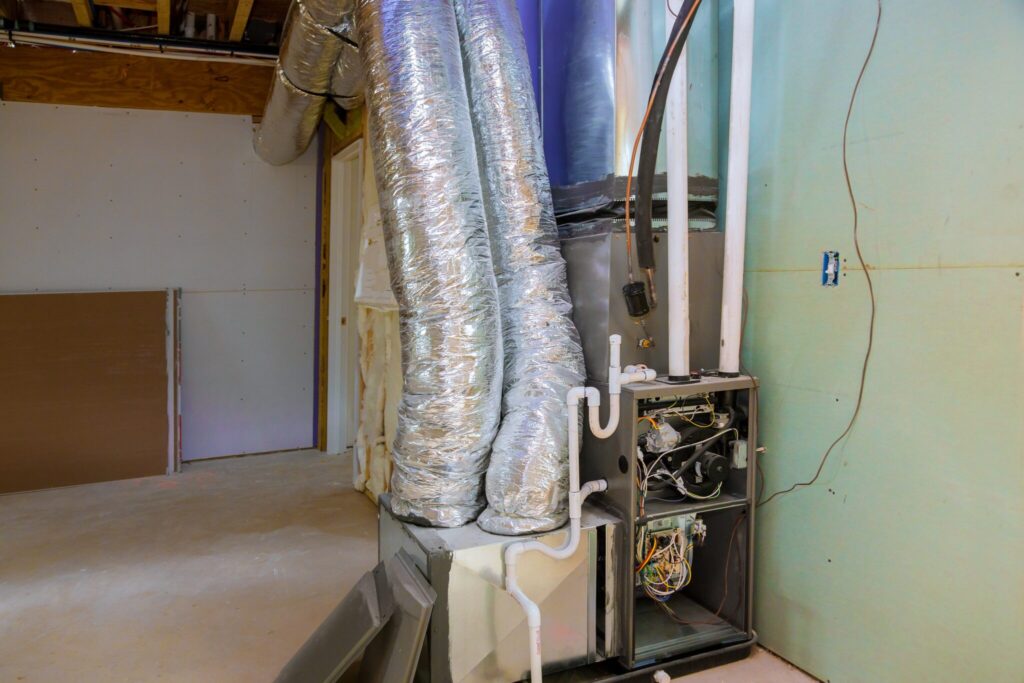
High efficiency furnaces completely change this process. They utilize a sealed combustion chamber, drawing combustion air from outside the home, which is inherently safer. Crucially, after the gases pass through the primary heat exchanger, they are directed through a secondary heat exchanger, which is made of a corrosion resistant material like stainless steel. This component cools the exhaust gases down to a point where they condense, turning into a liquid condensate that is safely drained away, typically through a small PVC pipe. By forcing the exhaust gases to cool and condense, the furnace extracts an immense amount of latent heat that would have otherwise been wasted. This brilliant piece of engineering is why the efficiency jumps from 80% to over 90%, giving the homeowner significantly more heat for less money.
Dramatic Reductions in Monthly Utility Bills
The most immediate and satisfying benefit of upgrading to a high efficiency furnace is the financial return. Heating costs are the largest single expense on most Clarksville homeowners’ utility bills during the winter months. Switching from an older 80% efficient furnace to a 95% efficient model results in a guaranteed, permanent savings of 15% on your fuel consumption. Depending on the size of your home and how cold the winter is, this can translate into savings of hundreds of dollars annually.
Consider the lifespan of a modern furnace, which is typically 15 to 20 years. Over that time, those consistent annual savings will not only cover the initial installation cost but will put pure profit back into your pocket. It is an investment that pays dividends every month for two decades. Furthermore, these high efficiency systems run more cleanly and with less strain, which reduces the frequency and cost of repairs. Fewer emergency service calls and lower monthly bills mean the furnace is truly an asset to your home’s financial health.
Unmatched Comfort Through Precise Heating
Beyond the financial savings, high efficiency furnaces offer a vastly superior level of indoor comfort compared to their older counterparts. Most older furnaces only have one setting: full blast. When the thermostat calls for heat, the furnace kicks on at 100% capacity, burns fuel as quickly as possible, and shuts off once the set temperature is reached. This results in the classic “hot and cold spot” problem where the air is overheated near the vents, and then the system shuts down, allowing the temperature to drop drastically before it blasts on again. This cycle of temperature swings is uncomfortable and inefficient.
Want to know top reasons your furnace isn’t heating? Click here for more information.
High efficiency furnaces eliminate this problem by utilizing multi stage heating. Most high efficiency models are either two stage or modulating. A two stage furnace has a low setting, which runs at about 60% capacity, and a high setting, which runs at 100%. For most of the winter, the furnace can run on the gentle, quiet, 60% low setting, maintaining the temperature steadily and quietly. Only on the coldest days in Clarksville will it need to kick up to the high stage. A modulating furnace takes this a step further, adjusting its heat output in tiny increments, sometimes down to 40% capacity, ensuring the furnace is running almost constantly at the exact perfect level to maintain the set temperature. This results in longer, gentler heating cycles that eliminate temperature fluctuations and hot and cold spots throughout your home.
Quiet Operation and Improved Indoor Air Quality
Another often overlooked benefit of the high efficiency upgrade is the significant reduction in operational noise. This quiet comfort is achieved through the use of variable speed blower motors. Unlike older furnaces with single speed motors that always kick on at full force with a loud rush of air, variable speed motors ramp up slowly and run at the minimum necessary speed to circulate the air. This quiet, gentle air movement is far less noticeable. For homeowners with furnaces located near living areas or bedrooms, this reduction in noise can dramatically improve the quality of life.

Furthermore, the variable speed blower contributes significantly to improved indoor air quality. Because the motor can run almost continuously at a very low speed for a fraction of the cost, it moves air across the system’s air filter much more often. This nearly constant air circulation provides much more frequent filtration, removing dust, pollen, and other irritants from the air. If you have a whole home humidifier, the variable speed fan helps distribute the moisture evenly throughout the ductwork and living spaces, optimizing humidity levels for better respiratory health and reducing static electricity.
Long Term Financial and Environmental Benefits
While the monthly savings are the main draw, the long term financial picture for high efficiency furnaces is also very appealing. Because high efficiency units operate more gently and consistently, their internal components are subjected to less stress and thermal shock. This reduced wear and tear extends the overall life of the furnace compared to an older unit that short cycles constantly. You can expect more years of reliable service and fewer emergency repairs.
There are also potential external financial incentives. High efficiency furnaces often qualify for utility rebates or state and federal energy tax credits. These programs can significantly offset the initial purchase and installation cost, making the upgrade even more affordable. Our team at Barney’s Heating and Air stays current on all available incentives to ensure you receive the maximum benefit from your investment.
Finally, upgrading is a choice for the future of our environment. By reducing wasted fuel from 20% to just 5%, you are directly cutting your home’s carbon emissions. A high efficiency furnace uses fewer natural resources to keep your family warm, providing an excellent way for homeowners to lower their personal environmental footprint without sacrificing comfort.
The decision to upgrade your furnace is a decision to invest in your home’s future comfort, safety, and financial stability. An older, standard efficiency furnace is essentially a hidden money burner, wasting fuel every single time it cycles on. By switching to a high efficiency model, you are fundamentally changing your home’s relationship with energy consumption. You benefit from guaranteed savings that pay for the investment over time, superior heating quality that eliminates uncomfortable temperature swings, and advanced technology that enhances your indoor air quality and home serenity.
If you are tired of sky high utility bills and uneven heating in your Clarksville home, now is the time to consider an upgrade. At Barney’s Heating and Air, we specialize in performing the detailed load calculations necessary to size your new high efficiency furnace perfectly, ensuring you get the maximum return on your investment and the highest level of comfort possible. We look forward to helping you make the smart choice for your family.