
How Long Should a Home AC Unit Really Last
Every homeowner in Clarksville asks the same question once their air conditioner starts showing its age. The lifespan of a home AC unit depends on several factors, including the brand, the installation quality, and the maintenance schedule. Most central air conditioning systems last between 15 and 20 years when properly cared for, though some units fail much sooner. Heat pumps tend to last 10 to 15 years because they run year-round in our Tennessee climate. Knowing the realistic lifespan helps you plan ahead, budget for replacement, and avoid the panic of a sudden breakdown during a brutal Clarksville summer. Barneys Heating and Air has spent decades helping homeowners squeeze every year of comfort out of their cooling systems.
The Average Lifespan of a Home AC Unit Explained
The average lifespan of a home AC unit falls within a predictable range, but the actual number depends on how the system is treated from day one. Central air conditioners typically run for 15 to 20 years before requiring full replacement. Window units and portable air conditioners last about 8 to 10 years on average. Mini split systems can reach 20 years or more with consistent upkeep. The compressor, condenser coil, and evaporator coil are the three components that usually determine when a unit reaches the end of its useful life. Climate, usage hours, and maintenance frequency all play massive roles in the final lifespan number.
Why a Home AC Unit Lifespan Varies So Much
A home AC unit lifespan varies because no two homes operate under identical conditions, and the differences add up over years of use. A system installed in a shaded backyard with regular filter changes will outlast a unit baking in direct sunlight with clogged coils every single time. Humidity levels in Tennessee put extra strain on cooling systems compared to drier climates out west. The size of the unit relative to the home also affects longevity; an undersized system runs constantly and burns out faster, while an oversized system short cycles and wears down components prematurely. Hard water deposits, dust accumulation, and pet dander all contribute to internal wear that shortens the working life.
The brand and build quality of a home AC unit also influence lifespan significantly, with premium brands often lasting five years longer than budget models. Copper coils hold up better than aluminum in coastal or high-humidity environments. Variable speed compressors tend to last longer because they avoid the harsh stop-and-start cycles that wear out single-stage units. Warranty length is often a strong indicator of expected lifespan, since manufacturers back their products based on real performance data. Installation quality matters just as much as the unit itself; a top-tier system installed incorrectly will fail years before a budget unit installed by professionals.
Geographic location plays a huge role in how long a home AC unit lasts, and Clarksville sits in a region that demands a lot from cooling equipment. Our hot, humid summers mean systems run for months without much of a break. Sudden temperature swings in spring and fall force the unit to switch modes frequently, adding mechanical stress. Pollen, dust, and tree debris common to Montgomery County clog outdoor condenser fins and reduce airflow. Storms and lightning strikes can damage electrical components without warning. All these regional factors combine to shorten the average lifespan compared to milder parts of the country.

Signs Your Home AC Unit Is Reaching the End of Its Lifespan
Signs your home AC unit is reaching the end of its lifespan show up gradually, then all at once if you ignore them. Rising energy bills are one of the earliest indicators, because an aging system has to work harder to produce the same cooling effect. Uneven temperatures throughout the home suggest the compressor or blower motor is losing efficiency. Strange noises like grinding, banging, or hissing point to internal parts wearing out or refrigerant leaks. Frequent repair calls within a 12 month window mean the system is nickel and diming you toward a full replacement anyway.
Another major sign is the use of R-22 refrigerant, which was phased out by the EPA and is no longer produced in the United States. If your home AC unit uses R-22, repairs become extremely expensive because the refrigerant must be reclaimed from old systems. Newer units use R-410A or R-32, which are both more efficient and environmentally responsible. Systems older than 15 years almost certainly use the outdated refrigerant. Replacing an R-22 unit often pays for itself in energy savings within a few years. Need a new system? Click here for our air conditioning installation service.
Moisture problems, ice buildup, and excessive dust around vents all signal that the home AC unit is fighting a losing battle against age. A failing system struggles to remove humidity, leaving the home feeling clammy even when the thermostat reads the right number. Ice forming on the evaporator coil or refrigerant lines means airflow is restricted or refrigerant levels are low. Dust accumulating faster than usual suggests the air filter housing or ductwork connections are leaking. A musty smell coming from the vents can mean mold growth inside the unit, which is both a health issue and a sign of dying components. Pay attention to these symptoms before the system quits entirely on the hottest day of the year.
Factors That Shorten the Lifespan of a Home AC Unit
Factors that shorten the lifespan of a home AC unit are mostly within your control, which is the good news. Skipped maintenance is the number one killer of air conditioning systems across Tennessee. Dirty filters restrict airflow, force the blower motor to work harder, and cause the evaporator coil to freeze over. Dirty condenser coils outside trap heat and force the compressor to overheat repeatedly. A neglected system can lose 5 percent of its efficiency every year, which translates to higher bills and shorter equipment life.
Oversized and undersized units both suffer from shortened lifespans because they never operate within their designed comfort zone. An oversized AC cools the home too quickly, shuts off, and then kicks back on minutes later in what is called short cycling. Short cycling wears out the compressor faster than any other usage pattern. An undersized unit runs nonstop trying to reach the thermostat setting, burning out motors and electrical components from constant operation. Proper sizing requires a Manual J load calculation that accounts for square footage, insulation, window placement, and local climate data. Many older systems were sized by rule of thumb, which is why so many homes have the wrong equipment installed.
Voltage fluctuations, dirty ductwork, and poor refrigerant charge all contribute to early failure of a home AC unit. Power surges from lightning storms or grid issues damage capacitors, contactors, and control boards over time. Leaky ductwork forces the system to push more air through smaller openings, straining the blower assembly. Incorrect refrigerant levels cause the compressor to overheat or struggle, which is the most expensive component to replace. Most of these issues can be caught during a professional tune up before they cause permanent damage. Schedule annual maintenance? Click here for our air conditioning maintenance service.
How to Make Your Home AC Unit Last Longer
Making your home AC unit last longer comes down to consistent care and smart usage habits that protect the system year-round. Homeowners who treat their air conditioner like an investment rather than an appliance tend to get five to seven extra years of service out of their equipment. The cost of preventive maintenance is a tiny fraction of the cost of premature replacement. Simple habits like changing filters, clearing debris, and scheduling professional tune ups add up to thousands of dollars in saved replacement costs. Your AC unit works hardest during the hottest months, so the off season is the perfect time to prepare it for peak performance.
Maintenance Habits That Extend the Lifespan of Your Home AC Unit
Maintenance habits that extend the lifespan of your home AC unit start with the air filter, which is the cheapest and easiest item to handle. Filters should be checked monthly and changed every one to three months depending on the type and household conditions. Homes with pets, smokers, or high traffic need more frequent changes. A clean filter allows proper airflow, keeps the evaporator coil clean, and protects the blower motor from dust buildup. Pleated filters with a MERV rating between 8 and 13 offer the best balance of filtration and airflow for residential systems. Skipping filter changes is the fastest way to kill an otherwise healthy AC unit.
Annual professional maintenance is the second pillar of a long-lasting home AC unit, and it should happen every spring before the cooling season begins. A trained technician will check refrigerant levels, test electrical connections, clean the condenser coil, inspect the blower wheel, and verify that the system is operating within manufacturer specifications. Small issues caught early prevent major breakdowns later in the summer when service calls are stacked deep. Lubricating moving parts, tightening loose components, and cleaning the condensate drain line are all part of a thorough tune up. Most manufacturers actually require annual professional service to keep the warranty valid.
Cleaning the outdoor condenser unit is something homeowners can do themselves between professional visits to add years to the system’s life. Clear leaves, grass clippings, and debris from around the unit so there is at least two feet of open space on all sides. Gently spray the condenser fins with a garden hose to remove dirt and pollen buildup, working from the inside out when possible. Never use a pressure washer because the fins bend easily and damaged fins reduce heat transfer. Trim back bushes, vines, and tree branches that might block airflow. A clean condenser runs cooler, uses less energy, and lasts significantly longer than a dirty one.

Smart Thermostat Settings That Protect Your Home AC Unit
Smart thermostat settings that protect your home AC unit reduce wear and tear without sacrificing comfort during the cooling season. Setting the thermostat to 78 degrees when home and a few degrees higher when away cuts runtime significantly. Every degree lower than 78 increases energy use by about 6 to 8 percent and adds operating hours to the compressor. Programmable schedules ensure the system is not cooling an empty house at the same intensity as occupied hours. Smart thermostats also learn household patterns and adjust automatically, which prevents unnecessary cycling.
Avoiding drastic temperature swings is another way to extend the life of a home AC unit through smart thermostat use. Dropping the temperature 10 degrees on a 95 degree day forces the system to run for hours straight, which strains every component. Setting the thermostat in small increments of 2 to 3 degrees and giving the system time to catch up is much gentler. Many homeowners think cranking the thermostat down makes the home cool faster, but the system cools at the same rate regardless of the setting. Ceiling fans paired with the AC make the air feel several degrees cooler, allowing higher thermostat settings without sacrificing comfort.
Modern smart thermostats also provide maintenance reminders, filter change alerts, and usage reports that help homeowners stay ahead of problems. Some models detect when the system is running longer than usual and flag potential issues before they become emergencies. Geofencing features adjust the temperature based on phone location, ensuring the AC is not running full blast when nobody is home. Integration with home automation platforms allows for whole-home efficiency adjustments based on outdoor temperature and humidity. Want a smarter thermostat installed? Click here for our thermostat installation service.
Repair Decisions That Affect the Life of Your Home AC Unit
Repair decisions that affect the life of your home AC unit can either extend service for years or accelerate the path to replacement. The general rule is the 5,000 dollar rule, which means multiplying the age of the unit by the repair cost. If the result is over 5,000 dollars, replacement makes more financial sense than repair. A 10 year old system facing a 600 dollar repair sits right at the threshold, while a 15 year old system facing a 400 dollar repair clearly signals it is time for a new unit. Throwing money at an aging system rarely pays off in the long run.
Choosing quality replacement parts during repairs matters more than most homeowners realize when it comes to lifespan. OEM parts designed specifically for your unit fit better, last longer, and maintain the system’s original efficiency rating. Cheap aftermarket parts may save money upfront but often fail within a year or two, requiring another service call. A capacitor, contactor, or fan motor replacement should always come with a warranty from the parts manufacturer. Skilled technicians know which brands hold up in Tennessee humidity and which ones to avoid.
Refrigerant leaks deserve special attention because they slowly destroy a home AC unit from the inside if left untreated. Low refrigerant causes the compressor to overheat, the evaporator coil to freeze, and the system to work harder for less cooling output. Simply topping off refrigerant without finding the leak is a temporary fix that wastes money and harms the environment. A proper repair involves leak detection, sealing or replacing the damaged component, and recharging the system to factory specifications. Catching refrigerant issues early can save the compressor, which is often the deciding factor in whether to repair or replace. Need an AC repair fast? Click here for our air conditioning repair service.
Why You Need a Trusted HVAC Team for Your Home AC Unit
Choosing a trusted HVAC team to care for your home AC unit determines whether the system reaches its full potential lifespan or fails years too early. Barneys Heating and Air brings 50 years of combined experience to every job in the Clarksville area. From honest assessments to expert repairs and installations, the right team makes all the difference in long-term system performance. We treat every home like our own and give straightforward advice without pushing unnecessary replacements.
Getting a Professional Assessment of Your Home AC Unit
Getting a professional assessment of your home AC unit gives you a clear picture of where the system stands and what to expect in the years ahead. Our technicians evaluate compressor health, refrigerant charge, electrical components, and airflow patterns during every visit. We document findings in plain language so homeowners understand exactly what is happening with their equipment. Annual assessments build a service history that helps predict when major components might fail. This proactive approach saves money and prevents emergency breakdowns.
A thorough assessment also identifies efficiency losses that drive up energy bills month after month. Small issues like dirty coils, weak capacitors, or minor refrigerant loss add up to hundreds of dollars in wasted electricity over a cooling season. Catching and fixing these problems restores the system to peak performance and adds years of useful life. We also check ductwork integrity, since leaky ducts can waste up to 30 percent of cooled air before it reaches living spaces. The goal is always to maximize comfort while minimizing operating costs.
Honest recommendations are the cornerstone of every assessment we provide for a home AC unit. If repair makes sense, we explain the cost and expected benefit. If replacement is the smarter choice, we walk through the options without pressure or scare tactics. Free estimates mean homeowners can get a second opinion or plan ahead without spending a dime. Our reputation in Clarksville depends on giving advice that actually serves the customer.
Quality Installation Sets the Lifespan of Your Home AC Unit
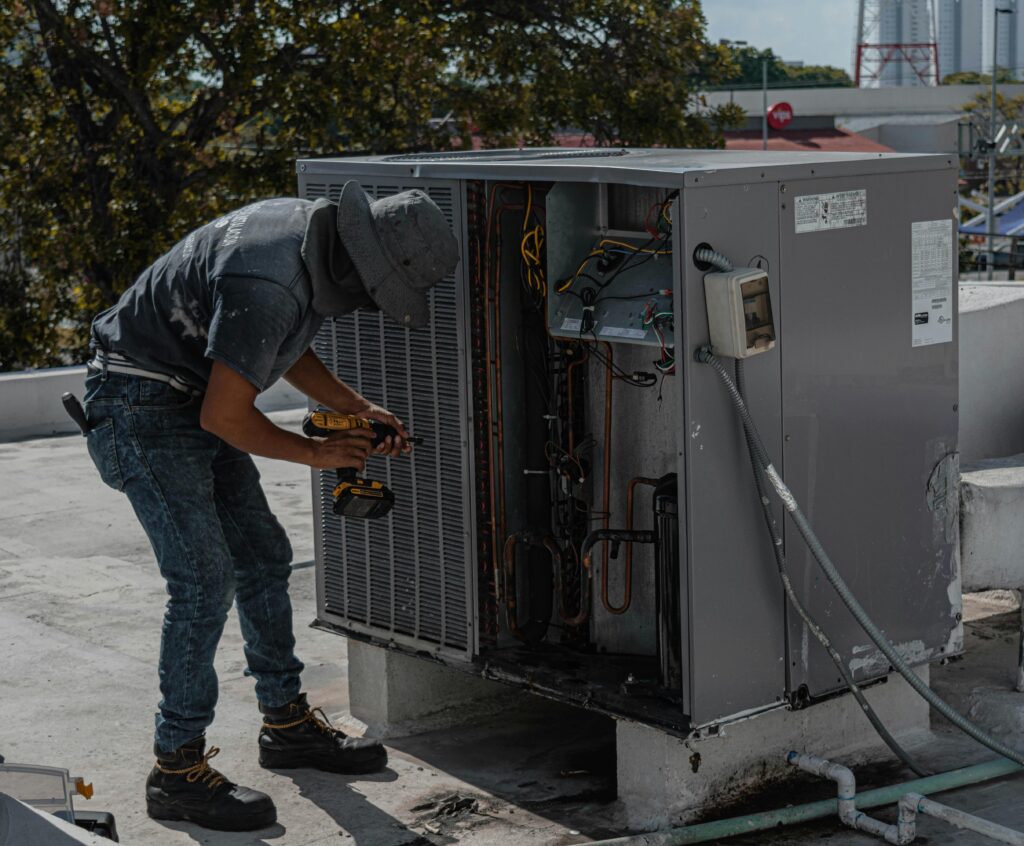
Quality installation sets the lifespan of your home AC unit from the very first day, and shortcuts during this stage haunt homeowners for years. Proper sizing using a Manual J load calculation ensures the system matches the home’s specific cooling demands. Correct refrigerant line sizing, secure electrical connections, and properly sealed ductwork prevent efficiency losses that age the system prematurely. Installation mistakes account for the majority of premature AC failures we see in older Clarksville homes. Investing in a careful installation pays dividends for the entire life of the equipment.
Our installation process includes verifying refrigerant charge to factory specifications, testing airflow at every register, and calibrating the thermostat for accurate readings. We also evaluate the existing ductwork and recommend repairs or modifications when needed to support the new equipment. Skipping these steps leads to comfort issues and shortened lifespan even with top brand equipment. Every new system comes with a 2 year warranty backed by our local team. Need a new air conditioner installed right? Click here for our air conditioning installation service.
The brands we install are chosen based on real performance in the Tennessee climate, not just manufacturer marketing claims. We stand behind every unit we install and provide ongoing support throughout the warranty period and beyond. Senior and military discounts make quality installation more affordable for those who have served our community and country. Free estimates remove the guesswork from budgeting a new system. The right installation team turns a 15 year unit into a 20 year unit.
Why Choose Barneys Heating and Air for Your Home AC Unit
Why choose Barneys Heating and Air for your home AC unit comes down to experience, honesty, and a genuine commitment to Clarksville homeowners. Our team brings 50 years of combined HVAC experience to every service call, repair, and installation. We specialize in residential systems and understand the unique demands of homes throughout Montgomery County and surrounding areas. From quick repairs to full system replacements, we deliver work that stands the test of time.
24/7 emergency service means we are available when your home AC unit fails on the hottest weekend of the summer. Senior and military discounts honor those who deserve recognition for their service and sacrifice. Free estimates give homeowners the information they need to make smart decisions about repair or replacement. Our 2 year warranty on all new systems goes above and beyond what most competitors offer. We treat every customer like a neighbor because in Clarksville, that is exactly what you are.
Reach out to Barneys Heating and Air at (931) 220-1014 or email office@barneysheatingandair.net to schedule service for your home AC unit. Our office at 1105 Gunpoint Dr in Clarksville is open and ready to help with any heating or cooling need. From thermostat installations to whole-home comfort upgrades, our experienced team handles it all. Quality work, fair pricing, and friendly service have built our reputation one home at a time. Let us help your AC unit reach its full lifespan and beyond.