
What Causes an AC to Short Cycle on Hot Days
Short cycling happens when your air conditioner turns on and off in rapid bursts instead of running through a full cooling cycle. Hot Clarksville summers push AC systems to their limits, and a short cycling unit can leave your home sticky, uneven, and uncomfortable. This problem also wastes electricity and shortens the lifespan of your compressor. Homeowners often notice the issue when indoor temperatures climb past 85 degrees outside. Catching the root cause early prevents a full system breakdown during peak heat. The following guide breaks down the most common reasons your AC short cycles on hot days.
Common Causes of AC Short Cycling During Hot Weather
A short cycling AC unit on a hot day points to one of several mechanical or airflow problems. Restricted airflow, low refrigerant, an oversized system, or electrical faults can all trigger rapid on-off behavior. Each cause creates a different set of symptoms, so proper diagnosis matters. Ignoring short cycling leads to frozen coils, burned out compressors, and expensive replacements. Clarksville heat and humidity make these failures more likely between May and September. Knowing what to look for helps you act before the damage spreads.
Dirty Air Filters and Airflow Problems Behind AC Short Cycling
A clogged air filter is the number one cause of AC short cycling during hot weather. When the filter is packed with dust and debris, airflow across the evaporator coil drops sharply. The coil gets too cold and can freeze over, which forces the system to shut down early to protect itself. Once the ice melts, the unit kicks back on, only to repeat the cycle minutes later. This pattern puts heavy strain on the blower motor and compressor. Replacing a standard one inch filter every 30 to 60 days prevents most airflow related short cycling.
Blocked return vents and supply registers create the same problem as a dirty filter. Furniture pushed against a vent, closed registers in unused rooms, or dusty grilles all restrict airflow. The system cannot pull enough warm air across the coil to maintain proper temperature differentials. Thermostats then misread the room and cycle the compressor off too soon. Walk through your home and confirm every vent is open and unblocked. This simple check often solves short cycling without a service call.
Duct leaks and crushed flex duct also starve the system of return air. When conditioned air escapes into the attic or crawlspace, the AC works harder but delivers less cooling to living spaces. The evaporator coil becomes unbalanced, and pressure readings drop outside normal range. In older Clarksville homes, duct seams separate over time due to heat cycling and settling. A professional duct inspection catches these hidden leaks. Need ductwork help? Click here for our ductwork installation service.
Low Refrigerant Levels Causing AC Short Cycling on Hot Days
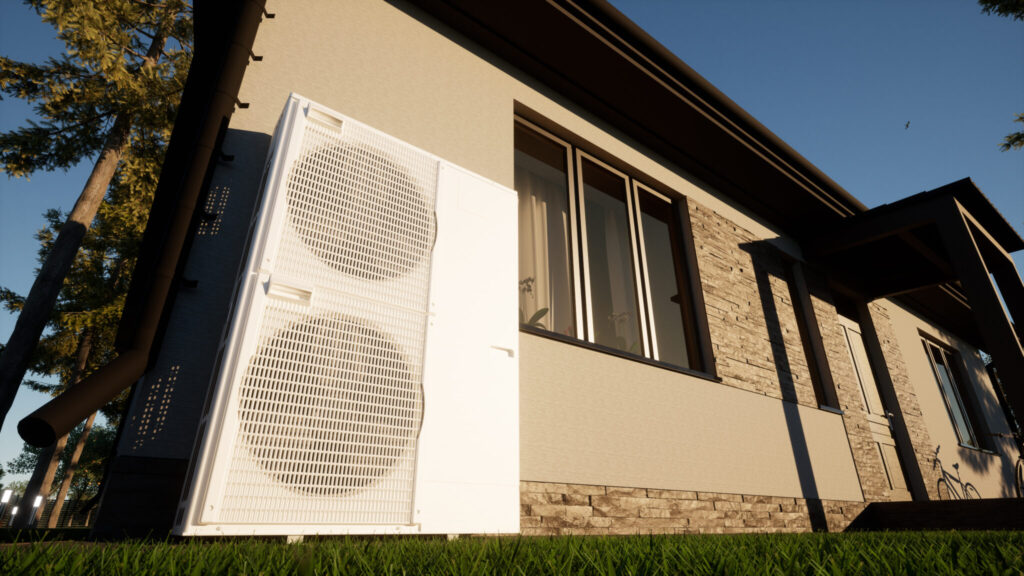
Low refrigerant is another leading cause of short cycling when outdoor temperatures spike. Refrigerant absorbs heat inside the home and releases it outside through the condenser coil. When levels drop due to a leak, the system cannot complete a normal heat exchange cycle. Pressure switches detect the imbalance and shut the compressor down as a safety measure. The unit then restarts once pressure stabilizes, creating the classic short cycle pattern. This issue worsens as outdoor temperatures rise because the system demands more refrigerant to keep up.
Refrigerant leaks usually develop at coil joints, Schrader valve cores, or along copper line sets. Vibration, corrosion, and factory defects all contribute to slow leaks over time. A system that is two pounds low on R-410A may cool fine in spring but fail completely in July. Signs of low refrigerant include warm air from the vents, hissing sounds near the indoor coil, and ice forming on the copper suction line. Topping off refrigerant without finding the leak only delays the problem. A licensed HVAC technician uses electronic leak detectors and UV dye to pinpoint the source.
Frozen evaporator coils often accompany low refrigerant and create a feedback loop of short cycling. Ice blocks airflow, which drops coil temperature even further, and the system locks out on low pressure. Running a short cycling AC with suspected low refrigerant can damage the compressor beyond repair. Shut the unit off and call for service if you see ice on the outdoor line. Need fast AC repair? Click here for our air conditioning repair service.
Oversized AC Units and Thermostat Issues Causing Short Cycling
An oversized air conditioner cools a home too quickly and shuts off before completing a proper cycle. This sounds efficient, but it actually creates comfort and humidity problems. The system never runs long enough to pull moisture from indoor air, leaving rooms cold and clammy. On hot humid days, this problem gets much worse because outdoor humidity feeds into the home. Oversized units also wear out faster due to the constant stop and start cycling. Proper load calculations during installation prevent this problem from day one.
Thermostat placement plays a major role in short cycling during hot weather. A thermostat installed near a supply vent, in direct sunlight, or on a warm exterior wall reads inaccurate temperatures. The device thinks the room is cooler or warmer than it really is and cycles the compressor incorrectly. Older mechanical thermostats also lose accuracy over time and need replacement. Smart thermostats with remote sensors help balance readings across multiple rooms. Correct thermostat location fixes many short cycling complaints.
Electrical problems inside the thermostat or low voltage wiring also cause rapid cycling. Loose wire nuts, corroded terminals, and weak batteries all send false signals to the control board. The compressor contactor then chatters and engages the unit for only seconds at a time. This electrical wear damages the contactor and can trip breakers during peak demand. A technician checks voltage, continuity, and control board function during a full diagnostic. Proper repair prevents the issue from returning.
How Short Cycling Damages Your AC System in Summer Heat
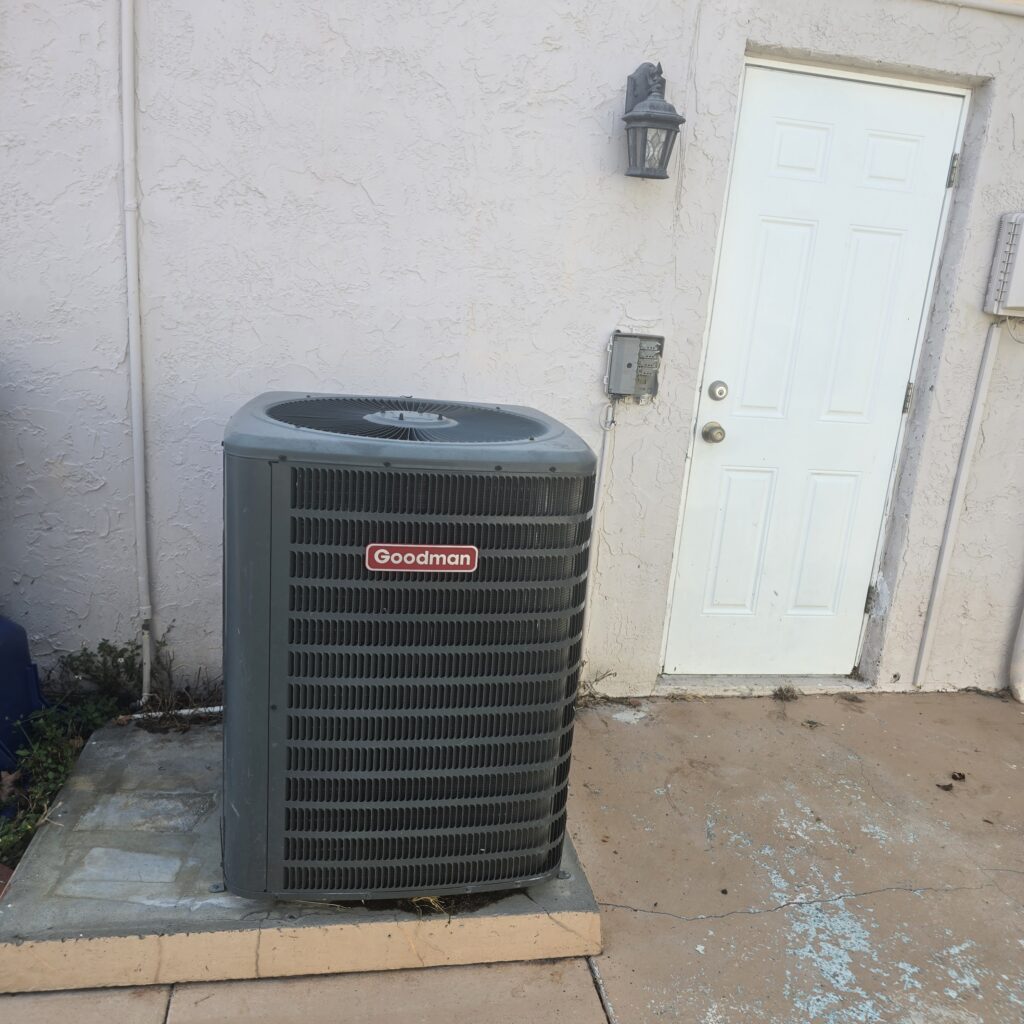
Short cycling on hot days does more than frustrate homeowners; it causes measurable mechanical damage with each cycle. The compressor draws the highest amperage during startup, sometimes six to eight times its running load. Repeated hard starts overheat windings, burn contactor points, and stress capacitors. Over a single cooling season, a short cycling unit can lose years of expected service life. Fixing the root cause quickly protects the largest and most expensive part of your AC system.
Compressor Wear From Frequent AC Short Cycling
The compressor is the heart of your air conditioner and the most expensive component to replace. Every startup sends a massive inrush current through the motor windings and bearings. Under normal operation, the compressor runs for 10 to 15 minutes per cycle, which allows internal temperatures to stabilize. Short cycling never gives the motor time to settle, so heat builds up with each restart. Insulation on the windings breaks down faster, and eventually the motor shorts internally. A burned compressor often means replacing the entire outdoor unit.
Start capacitors and run capacitors fail much sooner on short cycling systems. These parts store electrical energy to help the compressor overcome startup resistance. Constant cycling drains and refills the capacitor hundreds of extra times per day. The oil inside eventually breaks down, the casing bulges, and the part fails completely. A weak capacitor then prevents the compressor from starting at all, leaving you without cooling. Capacitor replacement is affordable, but repeat failures point to a deeper short cycling problem.
Refrigerant oil circulation suffers when the compressor never runs long enough to pump properly. Oil pools in the evaporator coil and line set instead of returning to the compressor sump. The bearings and pistons then run dry, and metal-on-metal wear accelerates. Compressors that short cycle for months often fail with internal mechanical damage rather than electrical failure. This type of damage is never repairable in the field. Preventive maintenance catches early warning signs before full failure.
Humidity and Comfort Problems From AC Short Cycling
Short cycling destroys indoor humidity control, especially during humid Tennessee summers. Air conditioners remove moisture by condensing water on the cold evaporator coil. This process takes 10 to 15 minutes of continuous runtime before significant dehumidification begins. A short cycling unit shuts off before the coil can pull meaningful moisture from the air. Indoor humidity then climbs above 55 percent, creating a clammy, uncomfortable feeling. High humidity also promotes mold growth and dust mite populations.
Uneven cooling across the home is another symptom of short cycling during hot weather. Rooms closest to the air handler cool quickly, while bedrooms and upstairs spaces stay warm. The thermostat shuts the system off based on its local reading, ignoring the hotter rooms. Families often respond by lowering the thermostat setpoint, which only makes short cycling worse. True comfort requires full cycles that move conditioned air through every duct run. Proper system sizing and balanced ductwork solve this issue.
Energy bills climb sharply when an AC short cycles through the summer. Startup current draws far more electricity than steady state operation. Running the compressor 30 times per hour instead of two or three times doubles or triples power consumption. Many Clarksville homeowners see summer electric bills jump by 40 percent or more when short cycling develops. Fixing the underlying cause often pays for itself within one or two billing cycles. Scheduling annual maintenance helps prevent these hidden cost increases.
Reduced Equipment Lifespan From Ongoing AC Short Cycling
A properly maintained AC system lasts 12 to 15 years in the Tennessee climate. Short cycling can cut that lifespan in half, sometimes less. Mechanical parts accumulate wear based on cycles rather than runtime hours, so rapid cycling multiplies damage. Coil seams crack from thermal shock, fan motors burn out, and control boards fry from repeated voltage spikes. Replacing a full system costs thousands more than addressing short cycling early. Regular tune-ups catch developing problems during routine inspections.
Warranty coverage often becomes void when short cycling damage is traced to neglected maintenance. Manufacturers require proof of annual service and proper airflow to honor compressor warranties. A homeowner who runs a short cycling unit for months without repair may lose coverage on a $2,500 compressor. Documentation from professional service visits protects your warranty rights. Keep service records for the full warranty period, usually 10 years on major components. This paperwork matters when making a claim.
Indoor coil and outdoor condenser coil corrosion speeds up under short cycling conditions. Moisture pools on coils that never fully dry between cycles, and formicary corrosion attacks copper surfaces. Once refrigerant starts leaking through pinhole corrosion, the system becomes uneconomical to repair. Tennessee humidity makes this failure mode especially common in short cycling systems. Annual maintenance includes coil cleaning and inspection to catch early corrosion. Want to protect your investment? Click here for our air conditioning maintenance service.

Why You Need Professional AC Repair for Short Cycling
Short cycling rarely fixes itself, and DIY attempts often make the damage worse. Accurate diagnosis requires gauges, meters, and training that most homeowners lack. A professional HVAC technician identifies the true cause in one visit and prevents repeat failures. Barneys Heating and Air serves Clarksville and surrounding areas with fast, accurate AC diagnostics. Our team has the tools and experience to restore full cooling performance quickly.
Fast Diagnosis and Repair for AC Short Cycling Problems
Our technicians arrive with fully stocked service trucks and the diagnostic equipment needed for short cycling calls. We check airflow, refrigerant charge, electrical components, and thermostat function in a systematic order. This approach finds the root cause rather than just treating symptoms. Most short cycling issues are resolved the same day, often within a single service visit. We explain our findings clearly so you understand exactly what went wrong.
Refrigerant leak detection is a specialty that requires certified equipment and proper training. We use electronic detectors, UV dye, and pressure testing to locate leaks that escape untrained eyes. Once found, leaks are repaired properly rather than masked with stop-leak additives. The system is then evacuated, pressure tested, and charged to factory specifications. This level of service protects your AC for years to come.
Electrical diagnostics covers thermostats, contactors, capacitors, and control boards. We test each component under load to catch intermittent failures that bench testing misses. Weak parts are replaced before they cause full breakdowns, saving you from emergency repair costs. All repairs come with a written warranty and clear pricing. You always know the cost before work begins.
Preventive Maintenance Stops AC Short Cycling Before It Starts
Annual AC tune-ups catch the small problems that grow into short cycling failures. Our maintenance service includes filter inspection, coil cleaning, refrigerant pressure checks, and electrical testing. Technicians tighten loose wires, lubricate motors, and verify thermostat accuracy during every visit. These routine tasks prevent the most common causes of short cycling. Scheduled maintenance costs far less than emergency repairs during July heat waves.
Duct inspection is part of our full maintenance service and addresses airflow problems early. Sealed ducts deliver cooler air to every room and reduce runtime on hot days. We use mastic sealant and metal tape rather than cheap duct tape that fails within a year. Proper sealing can improve system efficiency by 20 percent or more. This translates to lower electric bills and longer equipment life.
Membership plans lock in priority service and discounted pricing throughout the year. Members get two scheduled visits, one in spring for AC and one in fall for heating. Emergency calls are prioritized, and repair parts are discounted. This program helps homeowners budget for HVAC care without surprise expenses. Ask about our maintenance plans during your next service visit.
Why Choose Barneys Heating and Air for AC Short Cycling Repair
Barneys Heating and Air brings over 50 years of combined HVAC experience to every service call in Clarksville and the surrounding Tennessee communities. Our technicians are trained on every major brand and every generation of refrigerant. We diagnose short cycling problems accurately the first time, which saves you money and downtime. Local homeowners trust us because we explain the work clearly and charge fairly. Our reputation is built one repair at a time.
We offer free estimates on new installations and flat-rate pricing on repairs. Senior and military discounts apply to both service and installation work. A two year warranty covers all new systems, which is longer than most competitors offer. Emergency service is available 24 hours a day, seven days a week during peak cooling season. You never wait long for help when the heat is at its worst.
Call Barneys Heating and Air at (931) 220-1014 to schedule your AC repair or maintenance visit. Our office is located at 1105 Gunpoint Dr in Clarksville, and we serve communities from Hendersonville to Dickson. Email office@barneysheatingandair.net for non-urgent questions or quotes. We stand behind every repair with honest work and fair pricing. Your comfort is our priority through every Tennessee summer.